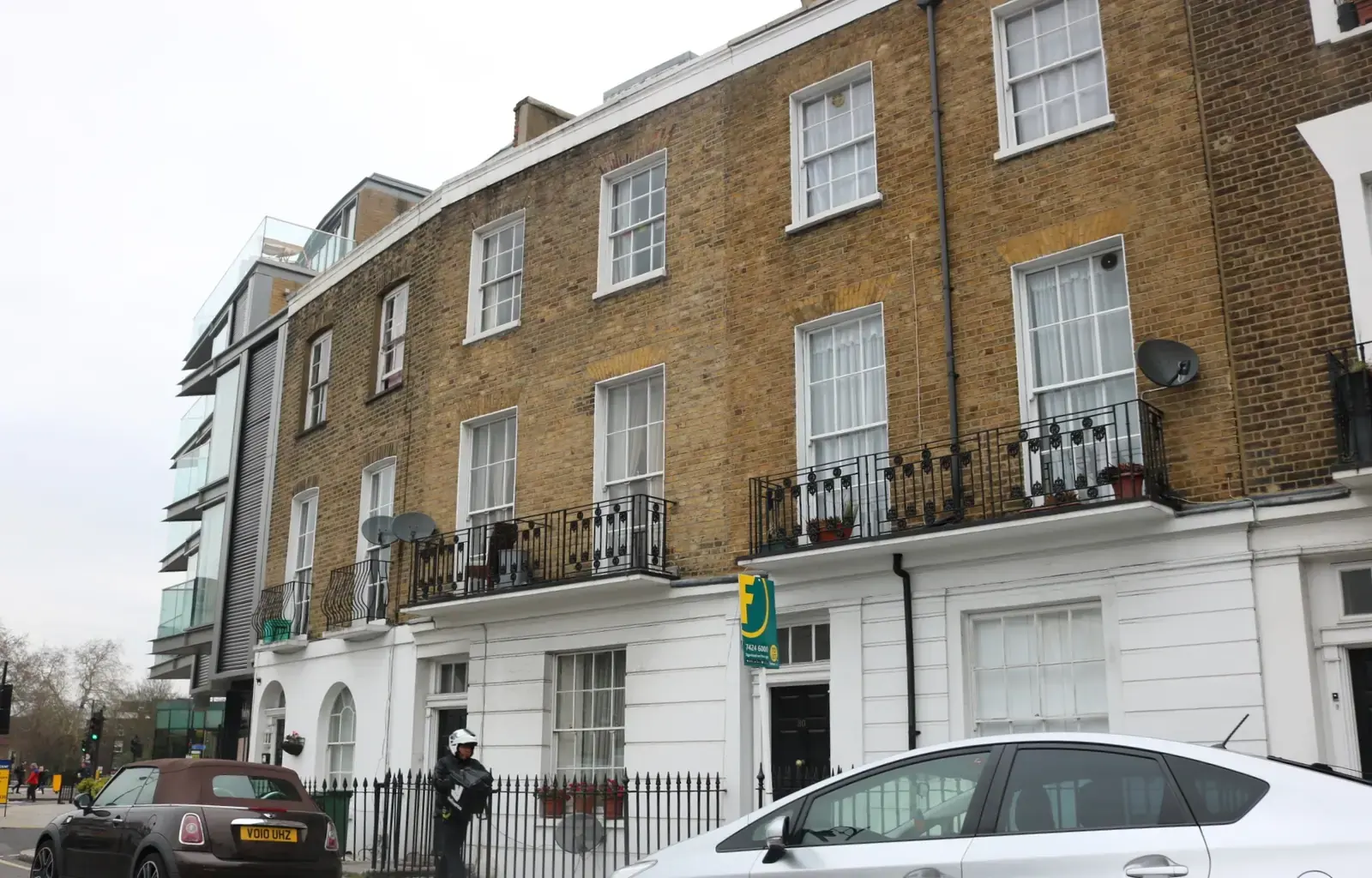
When is a change of use a planning matter?
Planning law counts any material change in the use of buildings or other land as development. A material change is a change between uses that matter to planning: a shop to a home, an office to flats, a garage to a workshop.
Our job is to establish what the building is now, what it will be and which route links them. That is a drawn and written case, which is why the fee is £665 drawings + £150 survey (£815 total) and why the survey is part of it.
What Class E covers, and why it matters
Since 2020 many town-centre uses sit in one class, Class E: shops, cafes and restaurants, financial and professional services, indoor sport and fitness, medical services, nurseries and offices. Under article 3 of the order, moving between uses in the same class is not development at all.
The route to a home is different. Part 3, Class MA of the permitted development order, permits a change from Class E to a dwellinghouse, subject to prior approval. It does not apply where, for example, the building is listed or in a national park, and it requires the building to have been in a Class E use for a continuous period of at least two years before the application.
London’s town centre directions
Boroughs can take that right away. Bexley’s Article 4 Direction takes effect on 10 December 2025 for selected buildings in 13 designated town centres, so a change from Class E to a home there needs planning permission.
That is one borough. Whether yours has a direction, and for which streets, is the first thing we check, because it decides whether you pay for a prior approval or a full planning application.
What the council charges
For a change of use to one or more separate dwellinghouses, the council fee in the national schedule is a rate for each dwelling, with a different rate for 10 or more. We confirm the exact figure for your project before you pay anything, so you can set it beside our fee.
Timing is the other cost. A normal application has 8 weeks for a decision on a non-major development. And in England in April to June 2026, 700 permitted development applications for changes to residential use were reported, and 500 of them, 68%, were given the go-ahead without going through the full planning process.
By the numbers
Material
A material change in the use of a building is development, and so needs permission unless a right applies.
Source: Town and Country Planning Act 1990, section 55: meaning of development (legislation.gov.uk)
Class E
The single use class that now holds shops, cafes, offices, clinics, gyms and nurseries.
Source: Town and Country Planning (Use Classes) Order 1987, Schedule 2, Class E (legislation.gov.uk)
2 years
Continuous period of Class E use the building must have had before a prior approval application under Class MA.
Source: General Permitted Development Order 2015, Schedule 2, Part 3, Class MA (legislation.gov.uk)
13
Designated town centres covered by Bexley’s Article 4 Direction on Class E to residential, in force from 10 December 2025.
Source: Article 4 Directions, Class E to residential in town centres (London Borough of Bexley)
8 weeks
The council’s time to decide an application that is not major development.
700
Permitted development applications for a change to residential use reported in England, April to June 2026.
Source: Planning applications in England: April to June 2026, section 3.18 (GOV.UK)
68%
Share of those 700 that were given the go-ahead without the full planning process.
Source: Planning applications in England: April to June 2026, section 3.18 (GOV.UK)
Per dwelling
How the council fee is set for a change of use to separate dwellinghouses.
Source: Planning fees: annual indexation from 1 April 2026, category 12 (GOV.UK)
Change of use costs: common questions
Is the council fee for change of use bigger than for a loft?
Usually, yes, because the fee is charged for each home created rather than a flat householder amount. The exact figure is in the national fee schedule and we confirm it for your project first.
Source: Planning fees: annual indexation from 1 April 2026, category 12 (GOV.UK)
Can I change a shop to a home without any planning application?
Not without any application. Under Class MA you apply to the council for prior approval, which is a lighter process than a full application, and not in every area or building.
Source: General Permitted Development Order 2015, Schedule 2, Part 3, Class MA (legislation.gov.uk)
What if my change of use is between two kinds of shop or office?
Then it may be no change of use at all, because those uses sit in one class. We confirm that from the survey and the history before any fee is paid.
Source: Town and Country Planning (Use Classes) Order 1987, Schedule 2, Class E (legislation.gov.uk)
Sources
- Town and Country Planning Act 1990, section 55: meaning of development (legislation.gov.uk)
- Town and Country Planning (Use Classes) Order 1987, Schedule 2, Class E (legislation.gov.uk)
- Town and Country Planning (Use Classes) Order 1987, article 3 (legislation.gov.uk)
- General Permitted Development Order 2015, Schedule 2, Part 3, Class MA (legislation.gov.uk)
- Article 4 Directions, Class E to residential in town centres (London Borough of Bexley)
- Planning fees: annual indexation from 1 April 2026, category 12 (GOV.UK)
- Town and Country Planning (Development Management Procedure) Order 2015, article 34 (legislation.gov.uk)
- Planning applications in England: April to June 2026, section 3.18 (GOV.UK)
About the author. Ben Shaukat is Managing Director of Property Architecture Ltd, which trades as Planning Drawings.
Published by Planning Drawings. Checked against the sources above on . Planning rules change; check your council before you build.