Planning due diligence report in London, £290
Was that extension approved? Were the conditions met? Is the use lawful? We read the council’s record for the property and put the answer in a written report you can keep and hand on.
£290 fixed fee, no VAT to add
Prefer WhatsApp? Send us a message · +44 7592 201353
The short answer
A planning due diligence report checks what has already been done to a property against what the council allowed. We read the planning history, the conditions and whether they were met, the enforcement record, and whether extensions and the use are lawful, then say what a buyer, seller or lender should ask for. Our fee is £290, no VAT to add.
Planning due diligence report
from £290
- Fixed fee
- £290
- VAT
- None to add
- The planning history of the address: every application, decision and condition we can find on the council’s register
- Whether each condition was met, or discharged, and where the paperwork is missing
- Each extension, loft or outbuilding matched to a permission, to permitted development, or to neither
- The council’s enforcement record, and what time limits mean for anything built without consent
- The lawful use of the building, and any change of use that never had permission
- A building control completion check: what was signed off and what has no certificate
- A plain-English summary with the questions to put to the seller’s solicitor, and a suggested next step
£290. A starting fee: we confirm one fixed figure after checking your address. The council’s own fee, where there is one, is paid to the council.
Get my fixed feeHow the report is made
Send the address
Tell us who you are (buyer, seller, lender or owner) and what you need the report for.
Read the register
We pull every application and decision for the address, and the neighbouring plots where they matter.
Match built to approved
We compare what the record says with the extensions and use you describe, and with the photos and plans you send.
Check the conditions
We list each condition and look for the evidence that it was discharged or complied with.
Write it up
You get one written report: findings, risks, the paper that is missing and what we would do about each gap.
How this differs from the “can I extend?” report
Our pre-purchase “can I extend?” report looks forward: it tells a buyer what they could add to a house in future, and how much permitted development is left. This report looks back. It asks what has already been done to the property and whether the council would accept it.
Buying a house with an extension you want to keep? The due diligence report is the one that tells you whether it is safe. Planning to add to it after you buy? Order both: the first shows the limit you inherit, the second what you can still build.
Why the date of the work decides the risk
Work built without permission does not stay open to enforcement forever. Under section 171B of the Town and Country Planning Act 1990, the limit for operations in England is 10 years from substantial completion. The Planning Practice Guidance says the 10-year period applies where completion was on or after 25 April 2024, and 4 years where it was earlier.
So an extension finished in 2019 may already be beyond the council’s reach, while one finished last year is not. We work out which applies to each part of the building from the dates on the record and what you can show us, and we say plainly where the date cannot be proved.
- Built before 25 April 2024: the 4-year limit applies
- Built on or after 25 April 2024: the council has 10 years
- Other changes of use: 10 years
- Further action is possible within 4 years of earlier enforcement action on the same breach
What a clean register does not tell you
Councils must keep a register of enforcement and stop notices, and the guidance lists what goes in it. A planning contravention notice does not have to be entered, so a spotless register is not proof that the council has never asked questions about the property.
That is why we read the planning history as well as the register, and why the report lists what we could not find. If a buyer needs more certainty, the fix is usually a Lawful Development Certificate: once granted, the use or works it covers are conclusively presumed lawful.
Retrospective planning application · Regularisation drawings
What a paid report gives that a free opinion does not
A free review is usually a short opinion given before a firm quotes for its own work. This is a report. It is written by chartered architectural technologists (MCIAT), it sets out what we read and what we found, and it stays with you, so you can show it to your solicitor, a lender or the other side of the sale.
It also weighs every route for each gap, not just the one we would be paid to carry out: a Lawful Development Certificate, a retrospective application, regularisation with building control, or leaving it alone because the time limit has run. Where a gap needs drawings, we can draw them.
Check the history before exchange
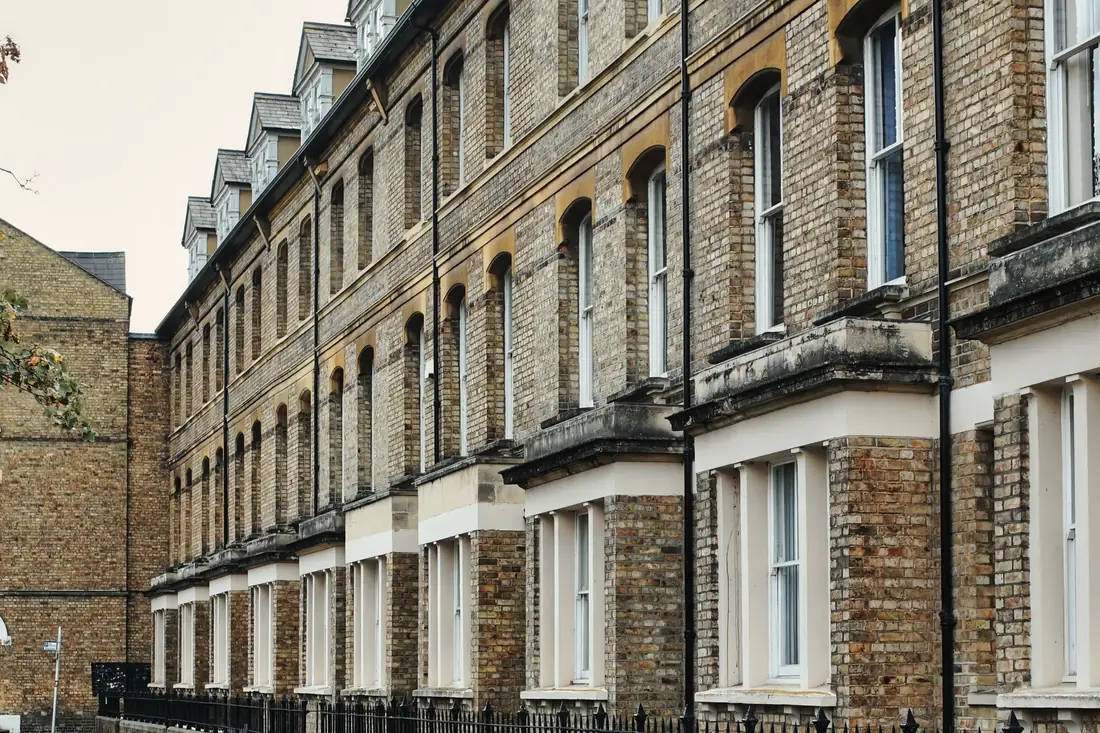
The date an extension was built, and whether the council register records it, decides how much risk comes with the house.
The rules behind the report
10 years
The time limit for enforcement against operational development in England, counted from substantial completion.
Source: Town and Country Planning Act 1990, section 171B (legislation.gov.uk)
25 Apr 2024
Operational development completed on or after this date gets the 10-year limit; earlier work keeps the 4-year limit.
Source: Planning Practice Guidance: ensuring effective enforcement (GOV.UK)
4 years
The limit that still applies to operational development substantially completed before 25 April 2024.
Source: Planning Practice Guidance: ensuring effective enforcement (GOV.UK)
10 years
The limit for a breach that is neither building work nor a change to a single home, counted from the breach.
Source: Town and Country Planning Act 1990, section 171B (legislation.gov.uk)
4 years
Councils may take further action on a breach within 4 years of earlier enforcement action on the same breach.
Source: Town and Country Planning Act 1990, section 171B (legislation.gov.uk)
Not listed
Planning contravention notices need not be entered in the enforcement register, so a clean register can still hide a council enquiry.
Source: Planning Practice Guidance: ensuring effective enforcement (GOV.UK)
s191(6)
The matters covered by a certificate of lawfulness in force are conclusively presumed lawful.
Source: Town and Country Planning Act 1990, section 191 (legislation.gov.uk)
1 date
A certificate describes the state of affairs on the land at the date of the application, not later.
Source: Planning Practice Guidance: lawful development certificates (GOV.UK)
Questions about the report
Who is this report for?
Buyers before exchange, sellers who want the paperwork ready before a solicitor asks, owners who suspect an earlier owner built without permission, and lenders or investors who want an independent view of a property’s planning position.
Do you visit the property?
No. This is a desk report from the council’s record, your documents and the photos you send. If a gap needs measuring, a survey is a separate step, and we tell you if it is needed.
Can you tell me the extension is lawful?
We tell you what the record shows and how strong the position looks, with the evidence behind it. A Lawful Development Certificate from the council is the formal proof, and we explain whether to apply for one.
Is it the same as a conveyancing search?
No. Your solicitor’s searches cover title, local authority records and environmental matters. This report goes through the planning and building control history in detail and tells you what to ask the seller for.
How fast can you turn it round?
Messages before 3pm get a reply the same working day, and we confirm the delivery time when you order, with any exchange date in mind.
Know what you are buying, or selling
Send the address and who the report is for. We send it in writing for £290.