Planning enforcement letter in London? Our written help is £290
Before anything formal is served, we check what stands against your approved plans, permitted development and the time limits, then set out your options in writing.
£290 fixed fee, no VAT to add
Prefer WhatsApp? Send us a message · +44 7592 201353
The short answer
A planning enforcement letter says the council thinks work or a use at your property may break planning control. It is not yet an enforcement notice, and you usually have room to respond well. We compare what was built with the permission, permitted development rights and the time limits, help you with the reply, and write up your options. Our fee is £290, no VAT to add.
Planning enforcement help
from £290
- Fixed fee
- £290
- VAT
- None to add
- A read of the council’s letter, or planning contravention notice, and what it actually asks of you
- A check of what stands against the approved plans, the planning history and permitted development
- A check of whether the time limit for enforcement has already run out
- Help with the reply, including how to answer a planning contravention notice question by question
- A written report of your options, which you keep and can show a buyer, lender or solicitor
- A clear say-so where a point of law decides it, with a referral to a planning solicitor
£290. A starting fee: we confirm one fixed figure after checking your address. The council’s own fee, where there is one, is paid to the council.
Get my fixed feeHow enforcement help runs
Send us the letter
Send the council’s letter or notice, your address and a few photos of the work. Note the reply date it gives, so we read that first.
We check the history
We look at the planning history, the approved drawings and the council’s own enforcement wording before anyone replies on your behalf.
Built against permitted
We compare what stands with what was approved and what permitted development allows, then ask whether time has already made it lawful.
Help with your reply
We tell you what to answer, what to leave to a solicitor, and how to reply so the council can see you are engaging.
Your options in writing
You receive a report on every route open to you, which one we would take and why, and what comes next if the council goes further.
What a letter, a site visit and a contravention notice mean
Most enforcement cases start gently: a letter asking about work a neighbour has reported, an officer’s visit, or a planning contravention notice. That last one is a formal list of questions, issued under section 171C of the Town and Country Planning Act 1990 where it appears there may have been a breach of planning control. None of the three is an enforcement notice, and none of them decides anything yet.
You still have to take a planning contravention notice seriously. The reply is due within 21 days, and under section 171D failing to comply, or giving false or misleading information, is an offence. It is a defence to show a reasonable excuse for not replying, so tell the council early if you need a few more days.
- A letter or email asking you to explain or stop: no legal deadline, but ignoring it invites a formal step
- A planning contravention notice: questions you must answer in writing within 21 days
- A breach of condition notice: it enforces a condition on your permission and, as the guidance says, has no appeal to the Secretary of State

Where this page stops and the notice review starts
This service is for the earlier stage. If the council has already served an enforcement notice, with a date on which it takes effect, you are on a short clock for an appeal and you need our enforcement notice review instead. The two do not overlap: we would not sell you this one when the notice has already been served.
Not sure which one you hold? An enforcement notice is headed that way, sets out the breach, the steps required and the date it takes effect, and comes with a copy of the Planning Inspectorate’s appeal information. Send us a photo of it and we will tell you which review fits, before you pay for either.
Checking whether time has already made it lawful
Councils cannot enforce for ever. Under section 171B, the limit for building work in England is 10 years from when it was substantially completed, for work completed on or after 25 April 2024, and 4 years for work completed before that date. Change of use to a single dwellinghouse follows the same split; other breaches have a 10-year limit.
That date is often the whole case, and it is a fact more than an opinion. We work out when the work was finished from your records, aerial images, council tax or utility dates and neighbours’ recollections, and tell you plainly if the evidence is thin. Where the point turns on law rather than dates, we say so and refer you to a planning solicitor, because we are not solicitors.
What our paid review gives that a free one does not
A free review is usually a short opinion given before the firm quotes for its own next step. That can be useful, and ours is a different thing. You pay for a written report, written by a chartered architectural technologist (MCIAT), that you keep and can hand to a solicitor, a buyer or a lender.
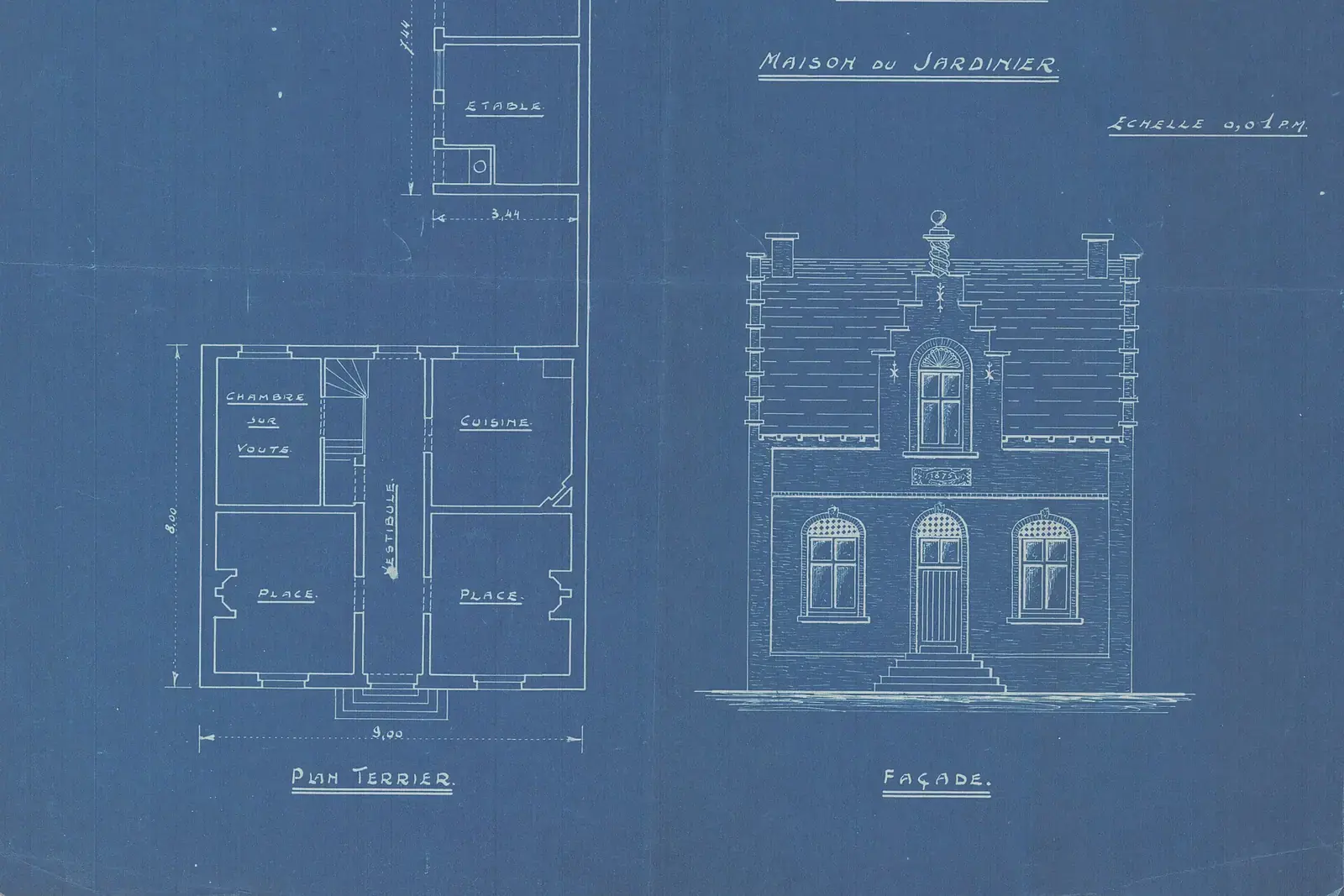
It reads the council’s letter against the planning history and the approved drawings, not the letter alone. It weighs every route: a retrospective application, a smaller change on site, a lawful development certificate if time or permitted development is on your side, or doing nothing and why. And if a change would settle the council’s concern, we can draw it.
Why the early reply matters
The guidance says councils should act in a proportionate way, and that enforcement is discretionary. A clear, accurate and prompt reply is often what keeps a case at the letter stage. A late, partial or contradictory one is how it moves on to a formal notice.
The guidance also warns that a person who has built without permission has only one opportunity to obtain permission after the event, whether by a retrospective application or by appealing an enforcement notice. That is why the order of your next steps matters, and why we set them out before you write back.
Retrospective planning applications · All planning problem reports

A letter is not yet a notice
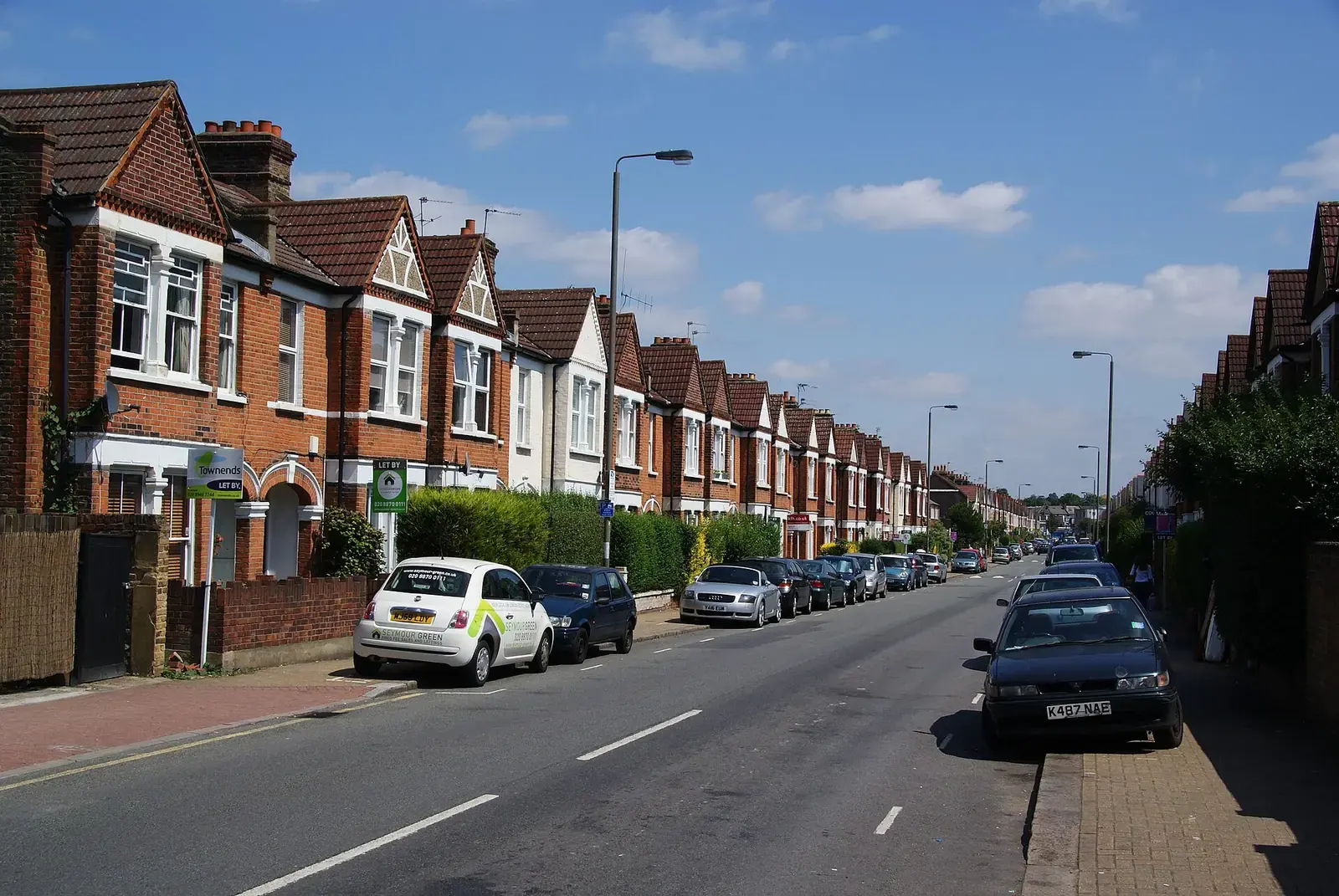
An early letter from the council asks for information, and the date the work was finished often shapes what the council can do next.
Planning enforcement by the numbers
21 days
The time to reply to a planning contravention notice before not replying becomes an offence.
Source: Town and Country Planning Act 1990, section 171D (legislation.gov.uk)
10 years
The time limit for enforcement against building work in England substantially completed on or after 25 April 2024.
Source: Town and Country Planning Act 1990, section 171B (legislation.gov.uk)
4 years
The time limit for building work substantially completed before 25 April 2024, and for a change of use to a single dwellinghouse before that date.
Source: Planning Practice Guidance: ensuring effective enforcement (GOV.UK)
Level 3
The fine level on the standard scale for failing to comply with a planning contravention notice; knowingly giving false information is level 5.
Source: Town and Country Planning Act 1990, section 171D (legislation.gov.uk)
28 days
The minimum gap between service of an enforcement notice and the date it takes effect, which is the later appeal window.
Source: Town and Country Planning Act 1990, section 172 (legislation.gov.uk)
1 chance
The guidance says someone who built without permission has only one opportunity to obtain it after the event.
Source: Planning Practice Guidance: ensuring effective enforcement (GOV.UK)
No appeal
A breach of condition notice cannot be appealed to the Secretary of State; the only challenge is judicial review in the High Court.
Source: Planning Practice Guidance: ensuring effective enforcement (GOV.UK)
Questions about enforcement letters
Do I have to reply to a planning enforcement letter?
A plain letter has no legal reply date, but ignoring it is the surest way to get a formal notice. A planning contravention notice is different: you must answer it within 21 days, and failing to is an offence unless you had a reasonable excuse.
Source: Town and Country Planning Act 1990, section 171D (legislation.gov.uk)
Can the council make me knock the work down at this stage?
Not on a letter or a planning contravention notice. Only an enforcement notice can require work to be removed or a use to stop, and you can appeal one. Our review tells you how likely one is and what you can do before it arrives.
Source: Town and Country Planning Act 1990, section 172 (legislation.gov.uk)
What if the work is more than 10 years old?
Then it may be immune from enforcement, depending on what it is and when it was finished. Proving the date is the work: we gather the evidence and tell you if it is strong enough to apply for a lawful development certificate.
Source: Town and Country Planning Act 1990, section 171B (legislation.gov.uk)
Are you solicitors?
No. We are chartered architectural technologists, so we deal with the drawings, the planning history and the planning merits. Where the answer turns on a point of law, we tell you plainly and refer you to a planning solicitor.
What happens after your review?
You choose. Often the next step is a retrospective application or a lawful development certificate, and we can do either. Any council fee for an application is separate, and we give you the figure before you decide.
Reply to the council knowing where you stand
Send the letter, the address and a few photos. We reply the same working day if you message before 3pm, with the review for £290.